A week of styling
How to plan a week of jewelry with fewer pieces
Build a small jewelry rotation around your actual outfits, with a simple pairing plan for workdays, casual days and one change of mood.
Start with your week, not a shopping list
A useful jewelry rotation begins with the clothes and activities already in your calendar. Lay out three outfits you expect to wear: perhaps a workday shirt, a relaxed knit and something for an evening out. You are looking for combinations you enjoy, rather than a rule about how many pieces a collection should contain.
Put the jewelry you already own alongside those outfits. Separate the pieces you wear readily from the ones you keep passing over. An unworn piece may need a different outfit, a fitting adjustment or simply a different occasion; adding more jewelry does not answer those questions.
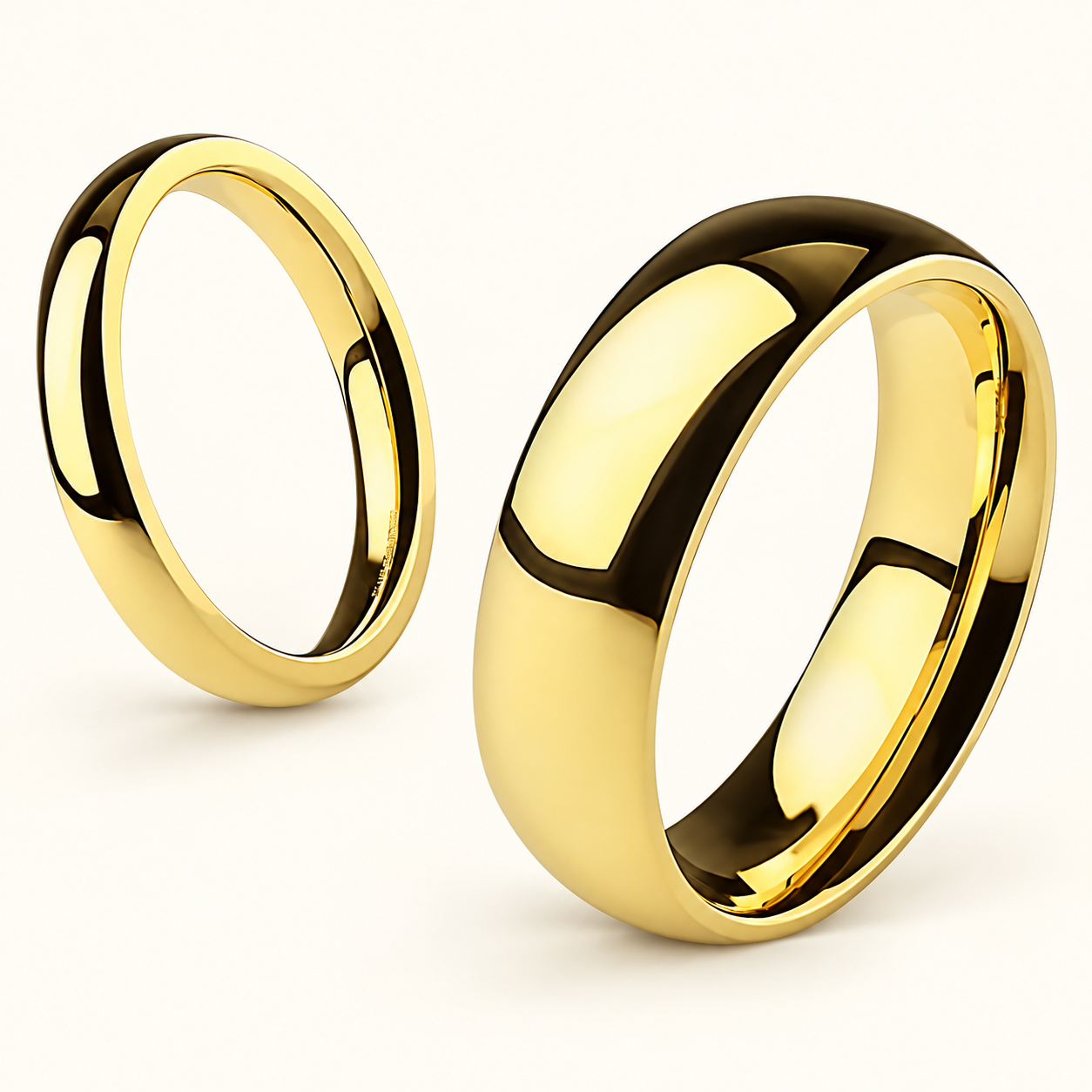
The polished band pictured here illustrates a quiet starting detail. This is a planning guide, not a recommended set to buy: you can do the exercise with your own ring, earrings, bracelet or necklace.
Give each piece a job
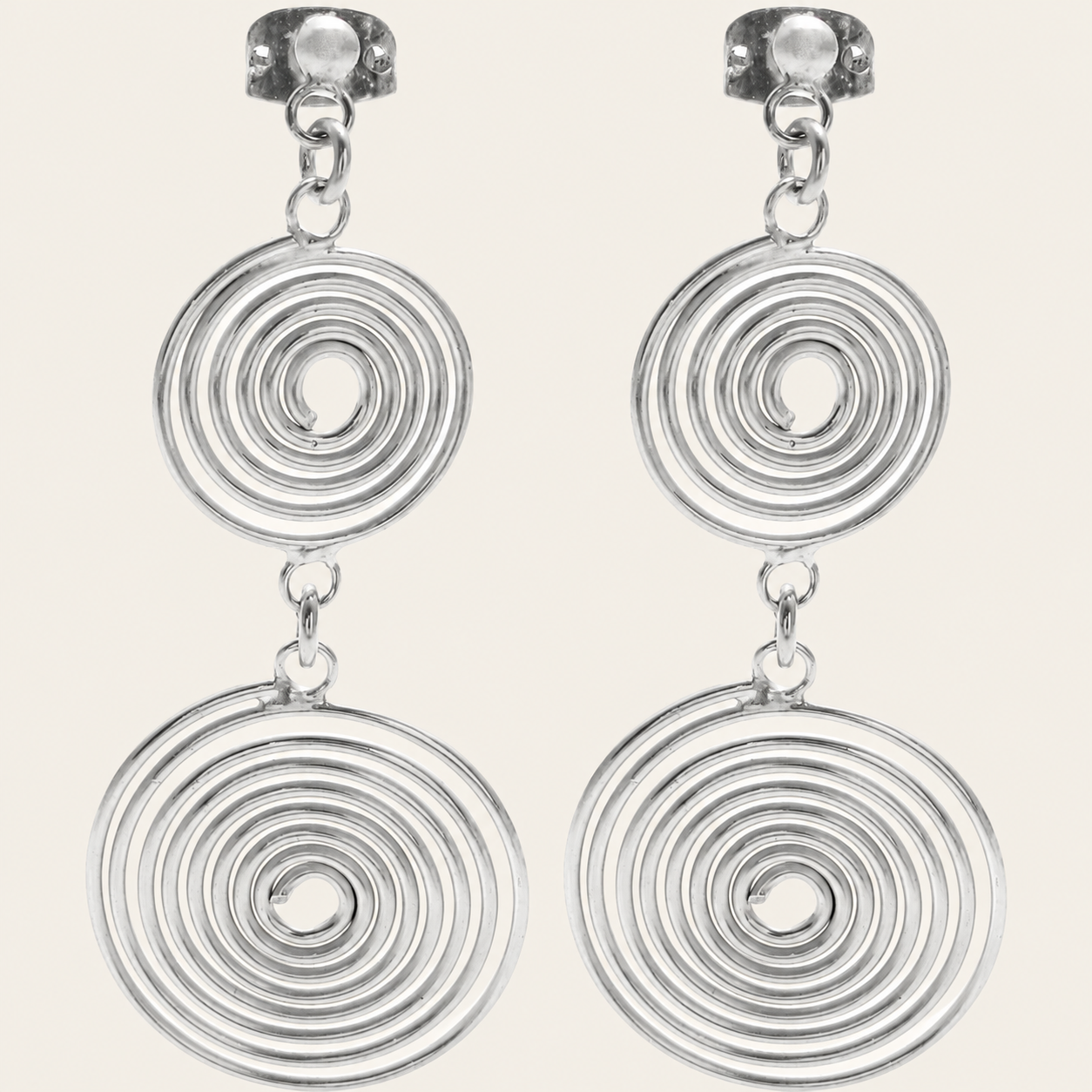
Choose an anchor: one piece you would happily repeat on several days. Then choose a contrast that changes the mood, such as earrings with a more noticeable outline or a necklace that sits differently against a shirt. Finally, leave an option for the days when you prefer very little jewelry.
These roles can overlap. Your usual earrings might be both the anchor and the only jewelry you want with a patterned outfit. A bracelet might work on a day without a watch but feel less convenient beside one. There is no need to fill every category or wear a complete matching set.
If metal colors are making the combinations feel difficult, our guide to mixing gold and silver jewelry offers ways to repeat a detail deliberately. Coordinating the shapes or mood can be a useful starting point when the colors differ.
Test combinations with the actual clothes
Try the complete outfit in a mirror, including its neckline, sleeves and any jacket you expect to wear. An arrangement on a tabletop will not show where a necklace meets a collar or whether earrings feel visually crowded next to a scarf. Take a quick outfit photo for your own reference if that makes comparisons easier.
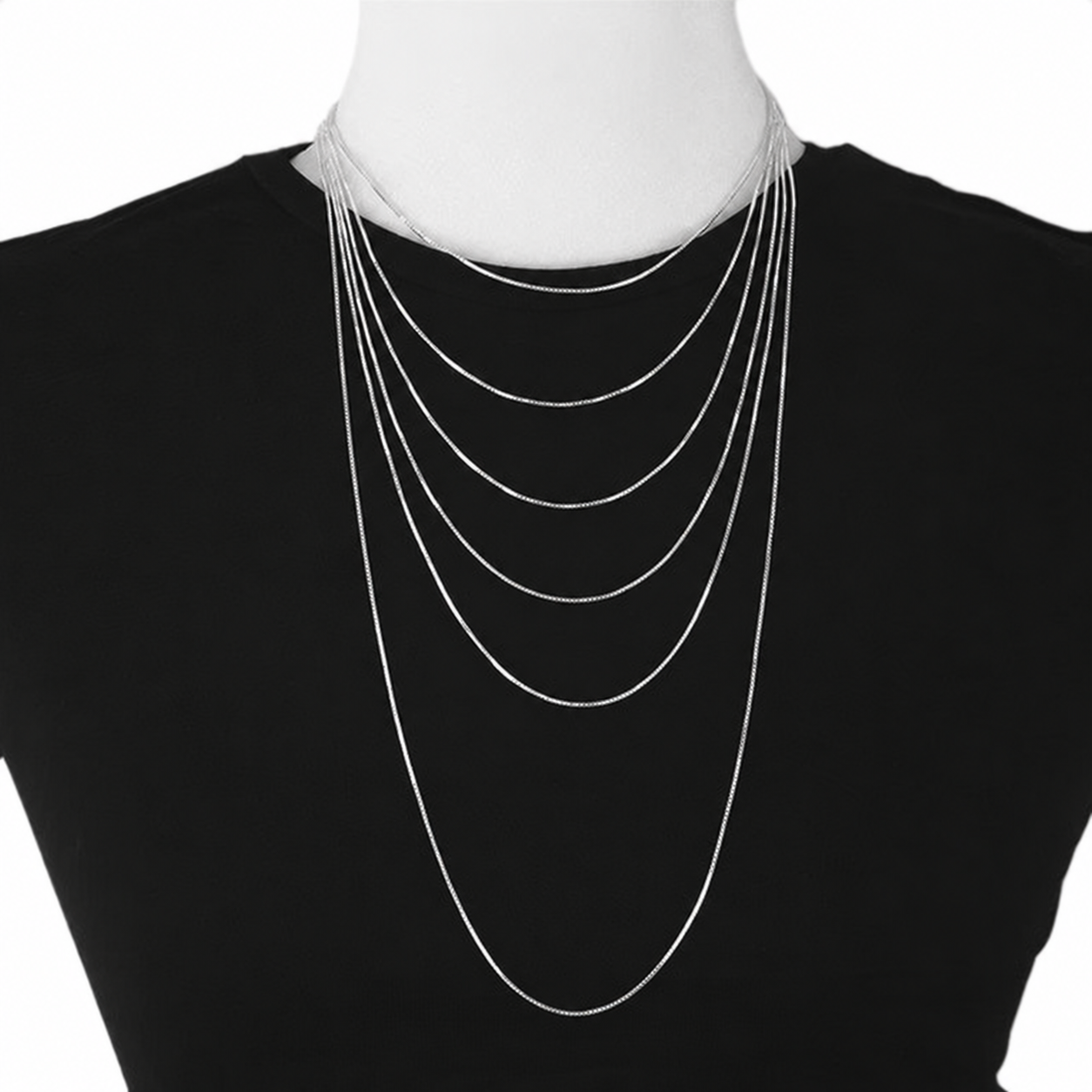
For necklaces, use our neckline pairing guide to think about the visible space around the piece. For an earring-led outfit, the statement-earring styling checklist can help you decide which other details you want to keep quieter.
Try ordinary movements rather than judging only a still pose: sit at your desk, put on your outer layer and turn your head. If something feels awkward, choose another combination. This exercise is about your preference and practical experience, not a guarantee that a particular shape will suit everyone.
Make a short rotation you can actually use
Write a few specific pairings rather than a rigid schedule. For example: usual earrings with the work shirt; the same earrings and a bracelet with the casual top; a more noticeable pair of earrings with the evening outfit. Repeat the anchor when you like it, and change only one element when you want a different feel.
Include a simple fallback for a rushed morning. That might be one band, a pair of earrings or no jewelry at all. A rotation should reduce decisions, not turn getting dressed into a daily obligation.
Keep fit separate from styling. Do not make a combination work by forcing a pendant onto a chain or choosing a ring that feels wrong. Note the unanswered fit question and resolve it before treating that piece as part of the plan.
Buy only after you can name the missing role
At the end of the week, notice which pairings you repeated and which you skipped. Ask whether the missing detail was a different length, a simpler outline, another color or a preference you no longer have. A precise observation is more useful than a general feeling that your collection needs more.
If you decide to add a piece, write down the outfit and role it should serve before browsing. Check its actual dimensions, material description, supplied components and available options on the product page. Keep current price and availability there rather than relying on a saved styling note.
The result can be a smaller rotation that you wear more often. You do not need a new piece for every outfit; the aim is to understand which combinations already make getting dressed easier.
Shipping & delivery · Returns & exchanges · Ask us a question